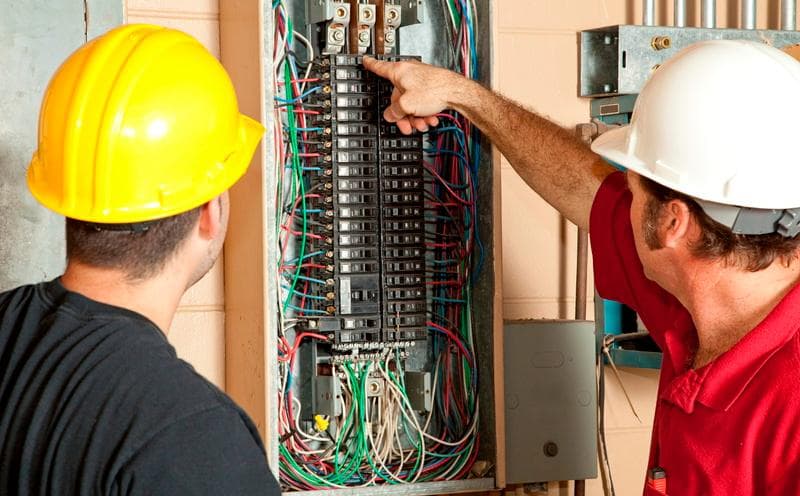
Main Panel Upgrades
Make room for solar, EV charging, and bigger loads. We upgrade your electrical panel so your home is ready—and to code.
Your main panel is where the rest of your electrical plan starts.
The main panel is the metal box where power from the street comes in and gets sent to every circuit in the house. If it’s too small or too old, you can’t add solar, an EV charger, or a heat pump without overloading it. We upgrade panels so you have the capacity you need—and so everything stays safe and to code.
Most homes built before the 1990s have a 100-amp panel. Solar alone can need 30–40 amps. Add an EV charger (30–50 amps) and you’re over. We size the new panel to your plans and pull the permit.
When you need an upgrade
These are the situations we run into most. If one sounds like yours, we can walk through your panel and your plans and tell you exactly what’s required.
You're adding solar
The inverter needs a dedicated circuit—often 30–40 amps. If your panel is 100-amp and already tight, or the utility's line can't support more draw, we have to upgrade first. We'll tell you straight if you need it before we schedule the solar install.
You're adding an EV charger
Level 2 charging usually needs a 40- or 50-amp circuit. Older panels don't have the space or the main amperage. We check your panel and your charger specs, then upgrade if needed so you're not tripping the main when the car's charging.
You still have a fuse box
Fuse panels are 60-amp or 100-amp and don't have breaker slots. A lot of insurers and lenders want them replaced with a modern breaker panel before they'll write a policy or approve a loan. We swap the fuse box for a new panel and bring everything up to current code.
Breakers trip all the time
If the main trips when you run the AC and the dryer, or you're daisy-chaining power strips because there aren't enough circuits, the panel (or the way loads are spread) isn't keeping up. We look at what's on each circuit and whether you need more capacity or just a rebalance—and we upgrade when it's the right fix.
You're adding a heat pump, bigger AC, or a shop
Bigger HVAC or a detached garage or shop needs dedicated circuits and enough headroom on the main. We size the upgrade so the new load fits and you're not maxing out the panel every time something turns on.
What we do
From first look to final inspection—what actually happens on a panel upgrade.

We check your existing panel, then install a new load center with room for your plans.
Step 1
Site check
We open the panel and note the main amperage, how many breaker slots are open, and what’s already on the bus. We also check the service entrance cable and meter base. If you’re adding solar or an EV, we factor that load in and tell you whether an upgrade is needed or you’re good to go.
Step 2
Permits & inspection
We file the permit and handle the inspection. The inspector checks the panel, bonding, and labeling. Once it’s signed off, the utility reconnects and you’re live. We leave the panel schedule (what each breaker feeds) so you or the next electrician knows what’s what.
Step 3
Panel swap
We pull the permit, schedule the utility disconnect (usually a few hours), then mount the new load center and move every circuit over. We use a panel with enough spaces for your existing circuits plus room for solar, EV, or future circuits. All wiring is labeled and done to local code.
Step 4
Ready for what’s next
With the new panel in place, we can add the solar backfeed, run the EV circuit, or leave open slots for a heat pump or other loads. If we’re doing the solar or EV install, we schedule that next. If someone else is, we give them a clear picture of what’s in the panel and what’s available.
The process
How it goes
From first look to power-on—no surprises, no runaround.
- 01
We look at what you have
Main amperage, open breaker slots, and what you plan to add (solar, EV, etc.).
- 02
We size the new panel
Usually 200-amp so you have room for solar, car charger, and normal loads without tripping.
- 03
We pull the permit and do the swap
Utility may need to disconnect for a few hours. We mount the new panel, move circuits over, and get it inspected.
- 04
You're set for what's next
Once the panel is upgraded, we can tie in solar, add an EV circuit, or whatever you had in mind.
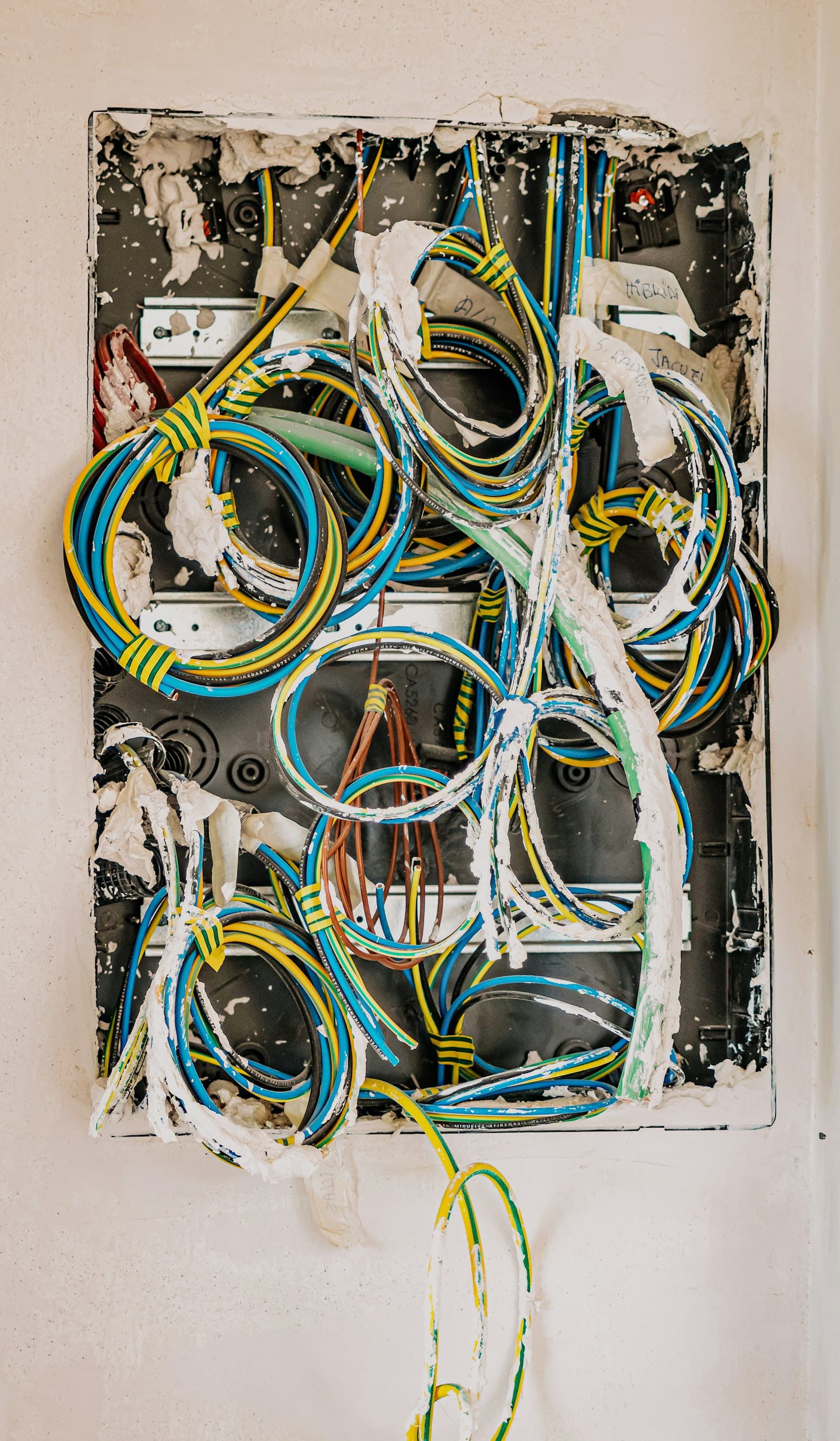
What an upgrade looks like
We install a new load center with enough breaker space for what you’re adding. That usually means 200-amp service and room for solar, EV, or extra circuits. Everything is labeled, permitted, and inspected so you’re set for the next step—whether that’s us adding solar or someone else doing the finish work.
Ready to see if you need a panel upgrade?
We’ll check your panel and your plans and give you a straight quote.