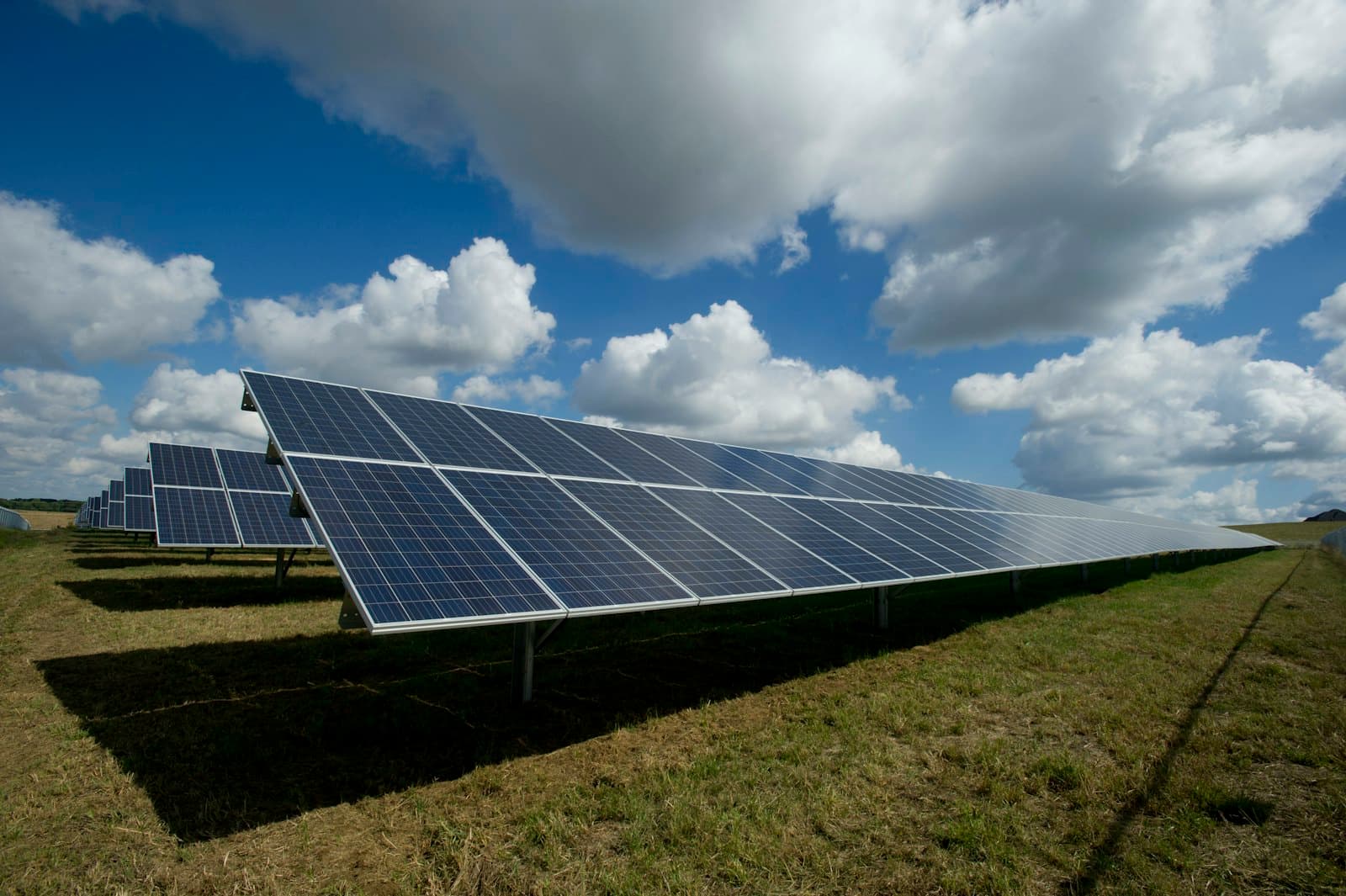
Solar Battery Backup
Store excess solar and keep the lights on when the grid goes down. We install batteries that work with your existing solar or add both in one go.
A home battery stores power so you can use it when the sun's down or the grid's out.
It's a box (or a few) that sits in the garage or on an outside wall, wired to your panel and, if you have one, your solar inverter. When the grid is up, it can charge from the grid when rates are low or from your solar when the sun's out. When the grid goes down, it flips over and feeds your panel so the circuits you've chosen—lights, fridge, a few outlets—stay on. No generator, no fuel, no noise.
Sizing depends on what you want to back up and how long you want it to run. We'll walk through your loads and your solar (or planned solar) and recommend a size and a brand that fits. Most installs need a panel that has room for the battery connection; if yours doesn't, we do the panel upgrade first and then add the battery.
Why a battery
Why people get a battery
Grid goes down
The grid goes down—storm, heat wave, or fault—and you're without power until the utility fixes it. A battery keeps lights, fridge, and essentials on until the grid comes back.
Solar at night
You have solar and want to use it at night or when the grid is down. Without a battery, when the sun's gone or the grid fails, the inverter shuts off and you get nothing from your panels.
Rates & demand
You want to cut demand charges or time-of-use rates. Charge the battery when power is cheap, run the house off it when it's expensive. Not every utility structure supports this, but where it does, it pays.
The install
What we install
The battery
One or more lithium units—wall-mounted or floor-standing—sized for the backup load and runtime you want. We use brands that work with the inverters we install and that have a clear warranty and support path.
The wiring and gear
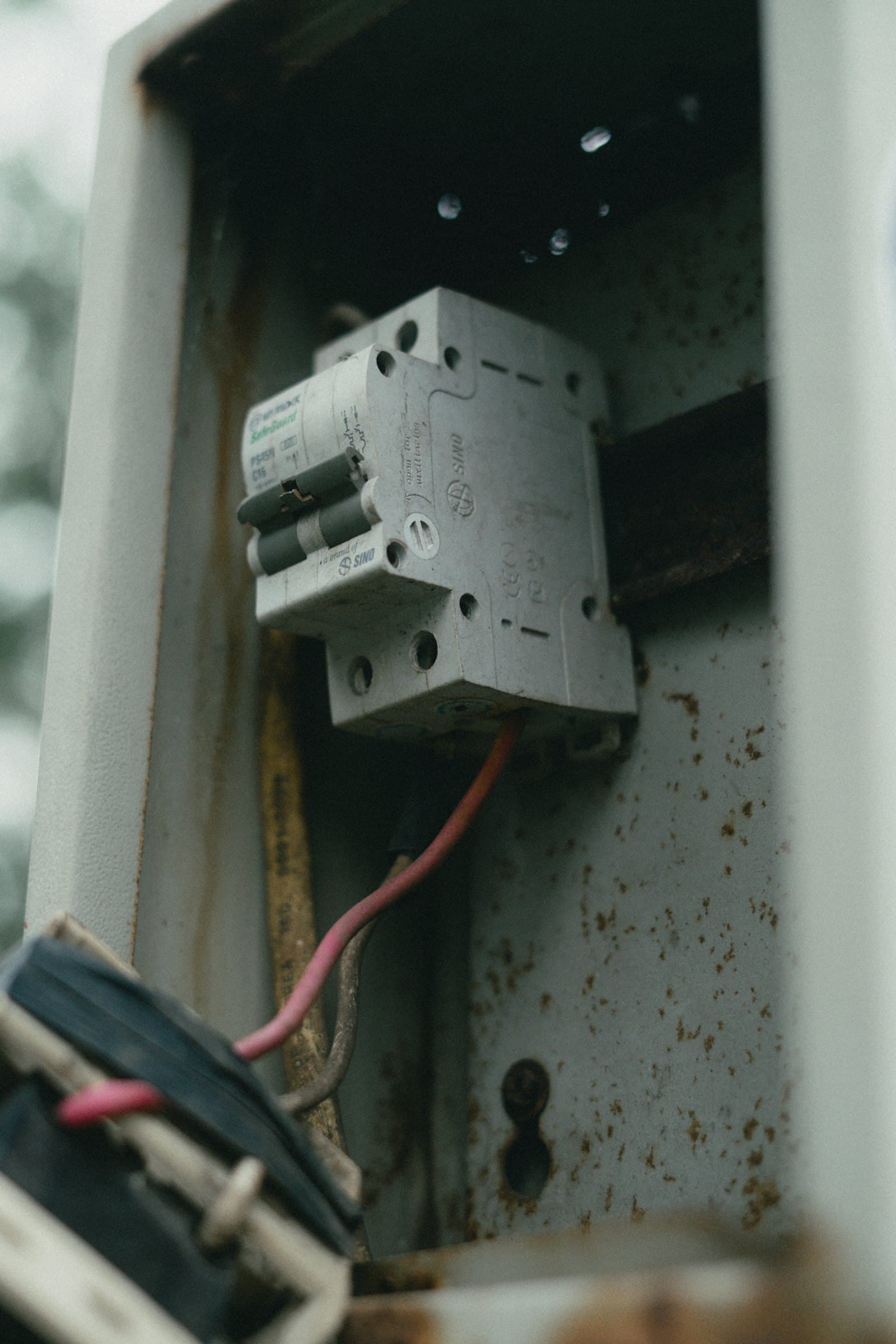
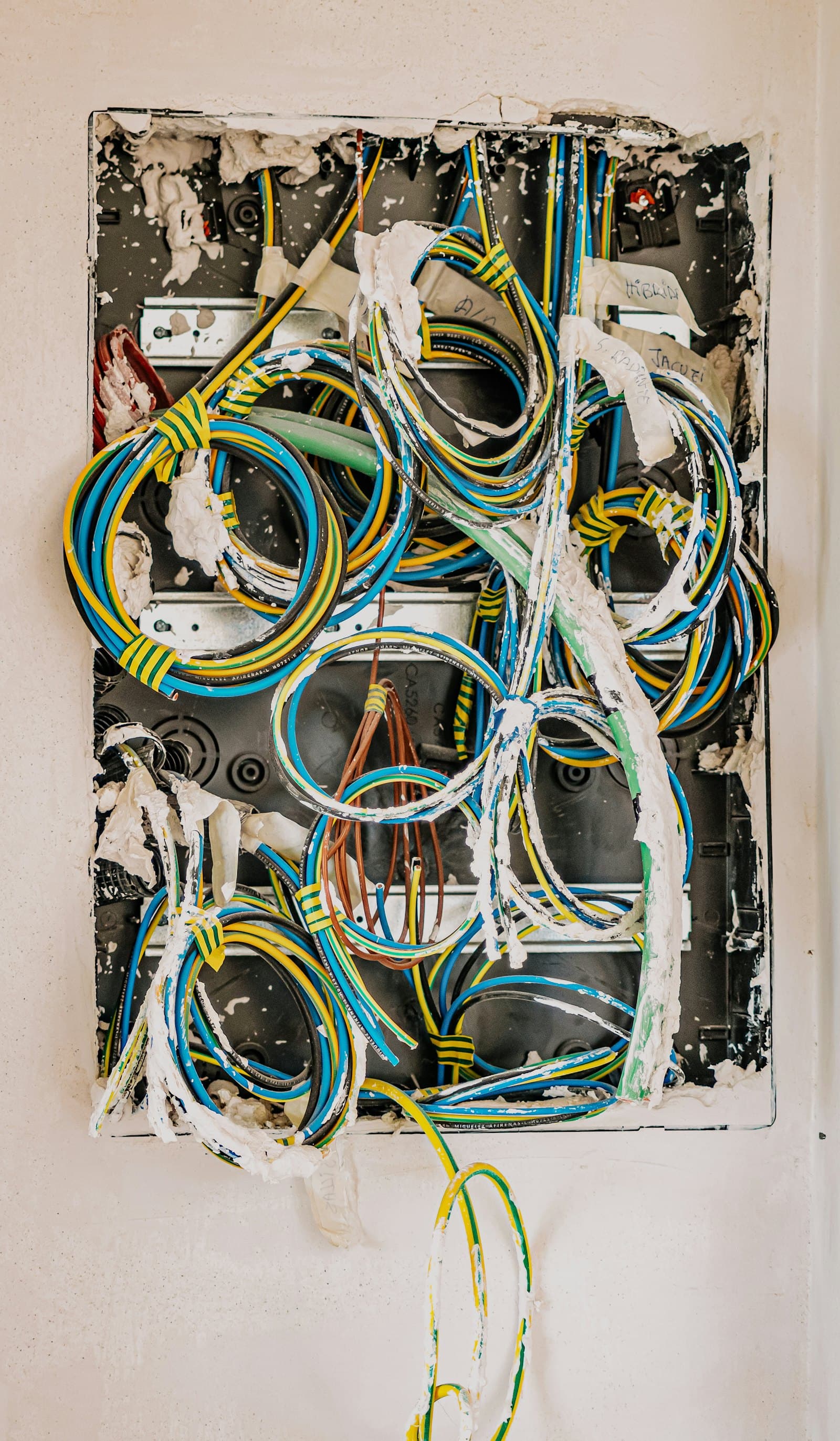
Connection from the battery system to your panel, plus any subpanel or critical-load panel we need so the right circuits stay on during an outage. Permitted and inspected so you're to code and insurable.
Automatic
How it behaves
When the grid is normal, the battery charges from solar (if you have it) or from the grid on a schedule if your rate plan makes that worthwhile. When the grid drops, the system islandes your house—or the circuits we've designated—and feeds them from the battery. When the grid comes back, it syncs up again and goes back to charging. You don't have to flip a switch; it's automatic. Runtime depends on how much you're drawing and how big the battery is. We size so you get the runtime you care about for the loads you've chosen.
Grid up
Charging
Grid down
Backup
Grid back
Sync
Permitted, inspected, automatic
With solar or without
You already have solar
We add a battery and the right inverter (or upgrade the one you have if it's compatible). Excess solar charges the battery instead of going to the grid, and when the grid's down the battery backs up the circuits we've set. You get backup and more use of your own solar.
You don't have solar yet
You can still put in a battery that charges from the grid and backs you up when the power fails. A lot of people add solar later and we wire the battery so it can charge from the panels when you do. We'll size and quote for battery-only or battery-plus-solar so you can decide.
Want backup that switches on when the grid fails?
We'll size a battery for your loads and your solar (or planned solar) and give you a straight quote.